
Don't Shy Away From Difficult Emotions
How to confront hard things on happy days
Have you ever wondered why people are so drawn to scary movies, haunted houses, and roller coasters? Or why we gravitate toward tearjerker films and melancholy music? It’s often assumed that people only want to experience positive emotions—and that especially at weddings we should avoid negative emotions at all costs—yet our attraction to entertainment and art that involve negative emotions proves that the end result can actually be pleasant and enriching. Many of life’s most moving and interesting experiences are characterized by a mix of positive and negative emotions.
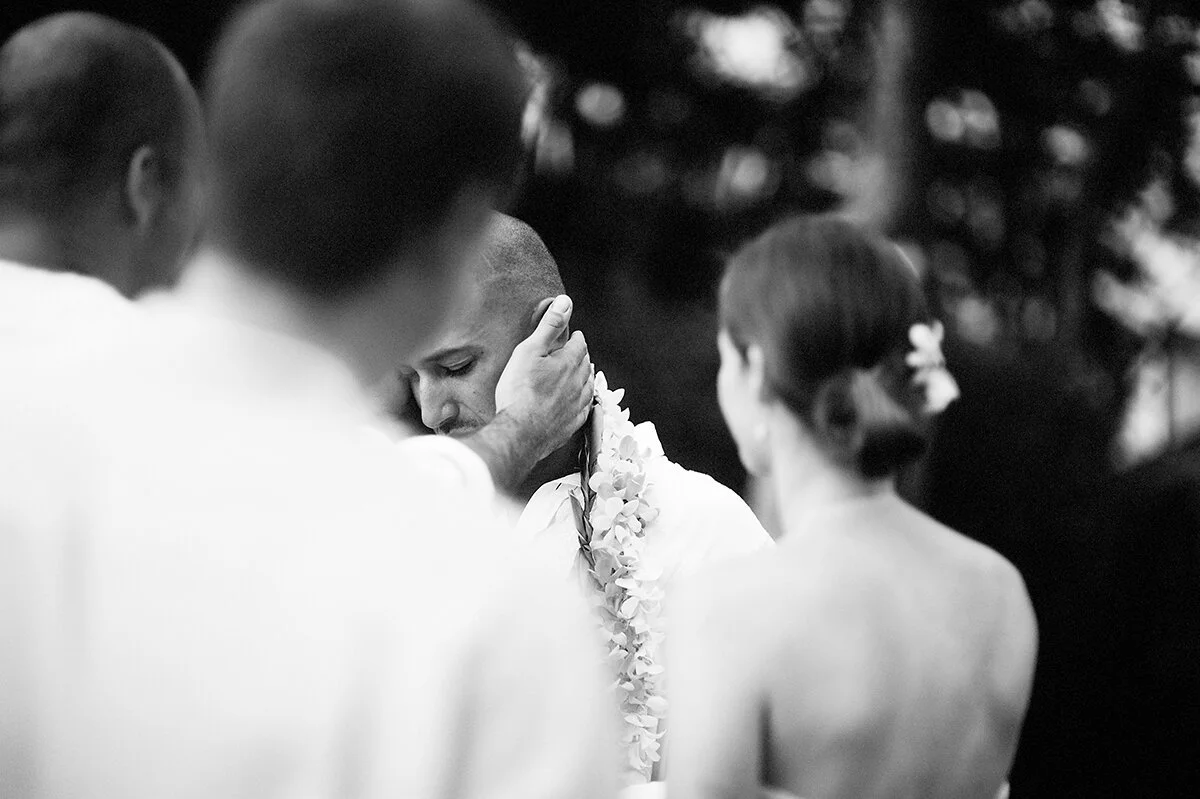
“[Many event organizers] insist on keeping gatherings positive, especially when choosing themes. The meaningful gatherer doesn’t fear negativity, though, and in fact creates space for the dark and the dangerous.”
The psychological concept of Reversal Theory explains that so called “bad” emotions become good in the presence of a protective frame, basically a way for someone to see his or her situation as being safe from all serious negative consequences. For example we know the scary movie will end, and we are somewhat detached because we are watching it happen to someone else, and we trust that some engineering has gone into making the roller coaster we are riding essentially safe. This shift in context is what makes the experience of emotions like sadness, fear, or disgust—emotions we typically want to avoid—actually enjoyable.
Designers familiar with reversal theory have a deeper understanding of human experience and can use our knowledge to develop environments and situations that support the full range of human motivations, fostering the design of weddings in new and powerful ways. Everyone’s life is touched by pain, heartbreak, or grief at some point. Acknowledging our common struggles actually reaffirms our shared humanity, bonding us deeper together.
It's also important to design ups and downs throughout the wedding day: in the same way that negative space accentuates the subject of an image, lulls and quiet moments accentuate the moments of joy and wonder. If the entire wedding day offers a consistent level of happiness, it would actually be rather dull. Think about how incredible it feels to get into bed and finally rest after a particularly exhausting day. Something ordinary can feel extraordinarily pleasurable when contrasted with its opposite. The same is true for the emotional journey you create for guests on the wedding day.
Sadly, the idea of introducing darker emotions into the wedding day is pretty controversial and often fiercely resisted. Far too many wedding subscribe to a cult of positivity, resulting in rather tame events that are neither thought- or heart-provoking.
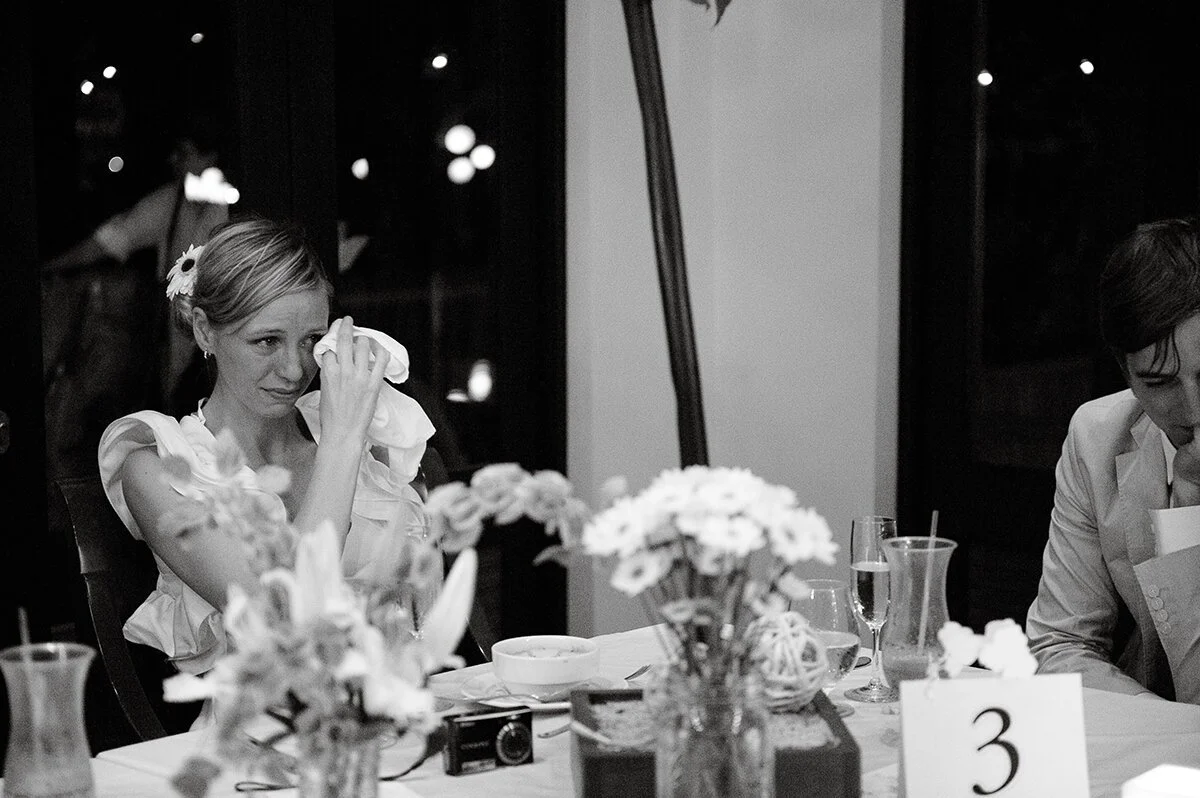
The most common concern I hear from couples regarding negative emotions is how to pay tribute to loved ones who have died without bringing down the vibe. Not only is it possible, but doing so deepens the experience for everyone as well, as long as—and this is critical—you create a protective frame around the experience. I remember once at the start of a Thanksgiving dinner shortly after the death of her son, my aunt gave a toast remarking on the devastation of his absence. But then she just left it there, and we all just ate in somber silence, an absolute mood killer. In that context, it would’ve felt like a betrayal to his memory to try to lift the mood again. If you’re going to dump something sad in the middle of the table, you have a responsibility to not just leave it there indefinitely, or leave someone else in the awkward position of picking it up. When I was tasked with giving a speech at my sister’s wedding addressing the very palpable absence of both of our parents, I talked about their deaths, acknowledged the people present who stepped up to fill that void for us, and I ended it like this:
“It wouldn’t feel right not to signify our parent’s heartbreaking absence today, but I think we can all agree that their presence is still deeply felt and that neither of them would want us to dwell in grief. I think the best way to honor their deaths is to be truly present with the joys of being alive and there are few moments in life as joyful and alive as a wedding. So on that note, I’d like to make a toast, to our mom and dad, and everyone else who taught us about life and love, and to J & C, who deserve every good thing this life has to offer.”
I addressed the elephant in the room, but intentionally ended on a high note. Otherwise why should we shy away from talking about death at weddings? Both weddings and deaths are among life’s most profound milestones—along with births, coming-of-age ceremonies, and graduations. All of these alter the shapes and structures of our families and communities, and are marked by ceremonies and gathering. Personally I believe it isn’t just acceptable, but essential, to create space for a little darkness to come in and acknowledge the commonalities and overlaps of these major milestones.
So how do we design a moment to honor a loved one whose absence is deeply felt? While the common tradition of displaying photos or an empty chair is a sweet gesture, it’s a little morbid to make guests sit with with a ghost for the entire ceremony or meal. Plus it’s a cop out. People think that if they create a little memorial to the person and just put it in the space then they don’t have to actually talk about it. But if you want to really imbue the tribute with meaning, then an object in place of a loved one is an inert and underwhelming way to do this. Make it a living, breathing ritual, toast, or moment. The moment itself should be personalized to the couple, their event, and the person or people being honored, but allow a psychological distance between guests and the object of their emotion. Make a genuine tribute, allow everyone their moment of grief, and then move on, giving everyone permission to return to a spirit of festivity and fun.
Joy and grief are not separate emotions, they are often deeply woven together. Grieving a loss can also connect us to a profound sense of love. So in designing an emotional journey, address openly that you have set aside this moment where it’s safe to feel sadness, grief, and heartache, and it’s also safe to feel love, connection, and joy. It can be as simple as lighting a candle at the ceremony, or as direct as bookending a toast with, “I just wanted to take a brief moment to acknowledge….” and “Dad was famous for his parties, so the best tribute would be dancing until we drop!” Then cue the band. The best tributes are genuine, heartfelt, and of course, brief.
